
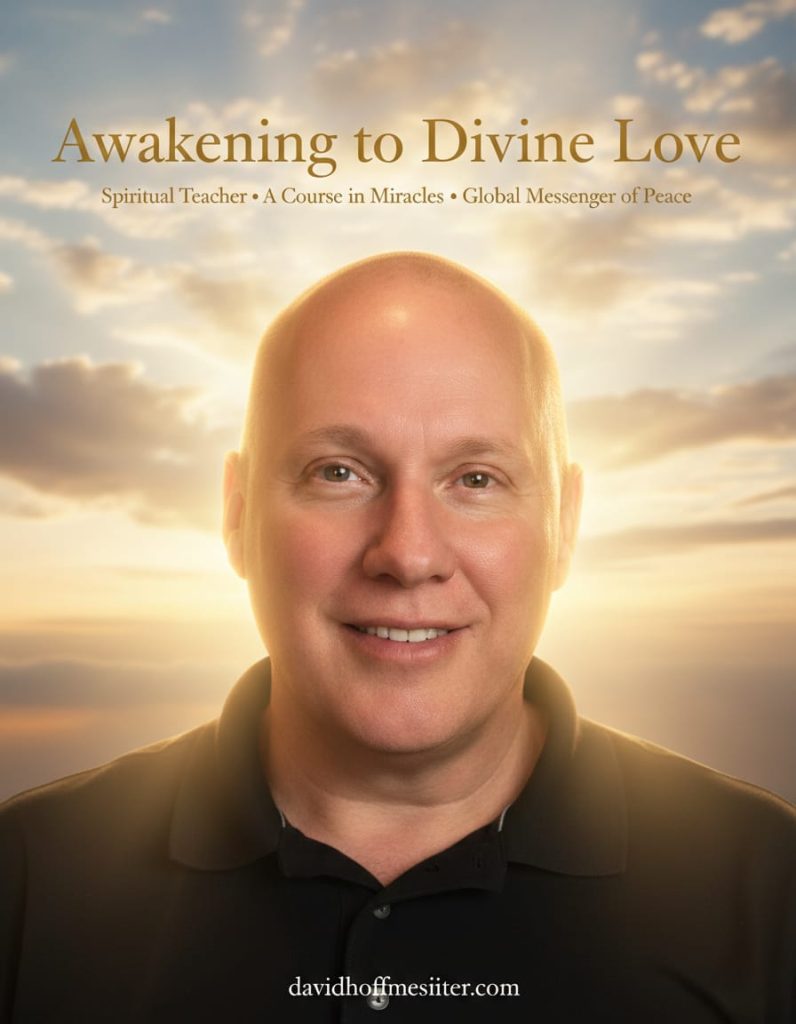
Letting go is a transformative concept in David Hoffmeister’s teachings. According to david hoffmeister wikipedia, letting go is the process of releasing attachment to thoughts, fears, and expectations that create stress, suffering, and mental clutter. Through this practice, individuals can cultivate inner peace, clarity, and a deeper sense of spiritual freedom.
Hoffmeister emphasizes that letting go is not passive resignation but an active, conscious choice to embrace life as it unfolds. By releasing control and trusting the flow of life, one opens the door to emotional healing and spiritual growth.
This article explores Hoffmeister’s approach to letting go and its practical applications in daily life.
Understanding the Concept of Letting Go
Letting go is more than simply ignoring problems or avoiding responsibility. Hoffmeister defines it as releasing mental attachment to outcomes, judgments, and fears. This practice encourages individuals to experience the present moment fully.
Key aspects:
- Observing thoughts and emotions without attachment
- Releasing fear, guilt, and resentment
- Accepting life’s unfolding without resistance
- Trusting intuition and inner guidance
- Practicing self-compassion
Through letting go, inner peace becomes accessible and sustainable.
Letting Go as a Spiritual Practice
In Hoffmeister’s framework, letting go is a cornerstone of spiritual practice. The ego often clings to control, creating stress and conflict. By consciously releasing attachment, individuals align with spiritual truth and universal intelligence.
Spiritual benefits include:
- Reduced mental clutter and stress
- Greater emotional balance
- Heightened awareness and presence
- Enhanced ability to forgive self and others
- Experience of unconditional love
Letting go nurtures both inner peace and spiritual insight.
Practical Techniques to Let Go
Hoffmeister provides actionable methods for practicing letting go:
- Mindful Observation – Notice thoughts, emotions, and judgments objectively.
- Release Attachment – Consciously let go of the need to control outcomes.
- Acceptance – Embrace situations as they are without resistance.
- Trust – Rely on intuition and life’s natural flow.
- Reflection – Evaluate personal growth and understanding through experiences.
Consistent practice integrates letting go into everyday life.
Overcoming Resistance to Letting Go
Resistance often arises from fear, past experiences, or ego attachment. Hoffmeister advises:
- Start with small, manageable situations
- Observe thoughts and emotions without judgment
- Engage in meditation to reduce mental noise
- Reflect on outcomes of past acts of letting go
- Reinforce trust in inner guidance and life’s intelligence
These steps strengthen confidence in releasing attachment.
Letting Go in Daily Life
Hoffmeister emphasizes applying letting go in ordinary circumstances:
- Accept unexpected changes without frustration
- Release judgment in personal interactions
- Let go of attachment to material possessions
- Trust others and situations without clinging
- Integrate mindful pauses to reset mental focus
Practical letting go enhances peace, clarity, and harmony.
Emotional Benefits of Letting Go
Letting go alleviates emotional burdens caused by fear, resentment, or attachment. Hoffmeister teaches that this practice promotes:
- Emotional resilience and stability
- Reduced stress and anxiety
- Enhanced self-awareness and compassion
- Stronger relationships through forgiveness
- Increased sense of personal freedom
Letting go creates space for positive emotional transformation.
Letting Go and Spiritual Awareness
Spiritual growth is closely linked with the practice of letting go. Hoffmeister highlights that releasing ego-based attachment allows individuals to:
- Experience clarity and inner guidance
- Align with universal principles
- Develop intuitive perception
- Deepen meditation and mindfulness practice
- Cultivate love, compassion, and forgiveness
Spiritual awareness flourishes when letting go becomes habitual.
Challenges in Practicing Letting Go
Obstacles may include:
- Fear of uncertainty
- Emotional attachments and old patterns
- Habitual control-seeking behavior
- Doubts about the process
- External pressures or conflicts
Hoffmeister recommends gentle persistence, reflection, and mindfulness to overcome these challenges.
Long-Term Transformation Through Letting Go
Regularly practicing letting go produces:
- Sustained inner peace and joy
- Improved decision-making and clarity
- Reduced emotional reactivity
- Deeper spiritual connection
- Enhanced resilience and adaptability
This practice transforms everyday life into a conscious, peaceful, and fulfilling journey.
Conclusion
David Hoffmeister teaches that letting go is a powerful practice for achieving inner peace and spiritual freedom. By releasing attachment to thoughts, fears, and outcomes, individuals can experience clarity, emotional balance, and alignment with life’s flow.
For more guidance and insights into his teachings, visit about david hoffmeister.
Letting go is not surrender to weakness but an empowering act that opens the door to a conscious and spiritually enriched life.
Frequently Asked Questions (FAQ)
1. What does “letting go” mean in Hoffmeister’s teachings?
It is releasing attachment to thoughts, fears, judgments, and expectations while embracing life as it unfolds.
2. How does letting go reduce stress?
It removes mental clutter, decreases reactivity, and promotes emotional stability.
3. Can letting go be practiced daily?
Yes, it can be applied in everyday situations, decisions, and interactions.
4. Is letting go a passive act?
No, it is a conscious, active choice that requires awareness and mindfulness.
5. How can beginners start practicing letting go?
Begin with small acts of release, mindfulness, observing thoughts, and trusting life’s flow.
