
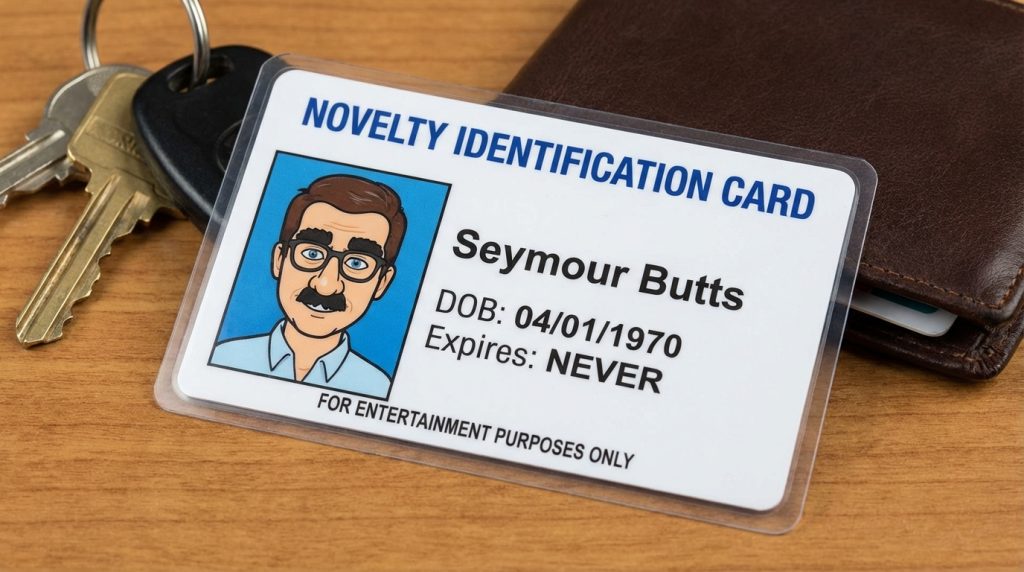
In the digital age, the line between the virtual and the physical continues to blur. While we spend much of our lives interacting with screens, there remains a significant fascination with high-quality physical artifacts. One such area that has seen a remarkable technological leap is the production of the novelty id. No longer relegated to low-quality laminates and pixelated graphics, modern replicas have become a showcase for advanced printing techniques and material science.
For collectors, historical reenactors, and graphic design enthusiasts, these items represent a unique intersection of art and technical precision. Understanding what goes into a high-tier replica is essential for anyone looking to add a professional touch to their collection or project.
From Desktop Printers to Industrial Standards
The journey of the novelty id has come a long way since the early days of home-office experimentation. In the past, a replica was easily identified by its lack of depth and flimsy texture. Today, the industry has adopted industrial standards that mirror professional-grade card production.
The primary shift has been in the substrate used. Most premium providers have moved away from standard paper-based products in favor of PVC and Teslin. These materials provide the characteristic “snap” and durability associated with official documentation. When combined with high-resolution re-transfer printing, the result is a card that feels substantial and looks incredibly sharp under close inspection. For those seeking the pinnacle of this craftsmanship, the selection at IDZone PH demonstrates the evolution from simple props to high-fidelity replicas.
The Technical Hallmarks of a Premium Replica
What exactly makes a modern replica “high quality”? It is a combination of several complex layers that work together to simulate authenticity:
1. Optically Variable Ink (OVI) and Holograms
One of the most difficult features to replicate is the way a card interacts with light. High-end novelty cards now utilize sophisticated overlays and OVI-like effects that shift color or reveal hidden patterns when tilted. This adds a level of visual complexity that is essential for “niche edit” quality content.
2. Micro-Printing and Fine Detail
Under a magnifying glass, a standard printer reveals its limitations through “dithering” or blurry edges. Professional-grade replicas utilize high-DPI (dots per inch) printing that allows for legible micro-text, a feature often used in official designs to prevent simple photocopying.
3. Tactile Elements and Embossing
Authenticity isn’t just visual; it’s tactile. Modern production methods allow for raised lettering and laser-engraved details. This tactile feedback is crucial for immersive experiences, such as high-end escape rooms or realistic theatrical performances where actors must handle the props naturally.
Why Quality Matters for the Modern Collector
The demand for these items spans several legitimate and creative industries. Beyond simple curiosity, these high-quality replicas serve as:
- Historical Archive Pieces: Replicating discontinued designs for historical displays or personal collections.
- Cosplay and Convention Culture: In the world of high-level cosplay, enthusiasts often require “in-universe” identification for characters from sci-fi or spy-themed franchises.
- Corporate Training Scenarios: Security firms often use realistic-looking novelty cards to train staff on how to identify various security features in a controlled environment.
The Standard of Professionalism
When choosing a provider for a novelty id, transparency and design integrity are the most important factors. A professional service focuses on the “art of the replica,” ensuring that every element—from font choice to the placement of a ghost image—is handled with care. This level of professionalism ensures that the product serves its intended purpose as a high-quality prop or collector’s item without crossing into the realm of misrepresentation.
Conclusion
The world of novelty identification is a testament to how far printing technology has advanced. By focusing on material quality and security feature simulation, providers have turned a once-simple prop into a sophisticated piece of graphic design. Whether you are enhancing a creative project or building a unique collection, investing in a high-quality replica ensures a level of realism that standard methods simply cannot match.
Frequently Asked Questions (FAQ)
How is a novelty ID different from a fake ID?
A novelty ID is explicitly sold and intended for non-official use, such as theatrical props, collectibles, or creative projects. Its purpose is entertainment and artistic representation rather than illegal misrepresentation.
What materials are used for long-lasting replicas?
PVC (Polyvinyl Chloride) is the industry standard for durability and “snap,” while Teslin is often used for its superior ink-absorption qualities and flexibility.
Can I customize a novelty card for a fictional universe?
Yes! Many high-end providers specialize in custom graphic design, allowing you to create identification cards for fictional governments, corporations, or “secret agencies” for use in storytelling or gaming.
Are these cards scannable?
While some novelty cards include barcodes or magnetic stripes for theatrical realism, they are not intended to be used in any official scanning system and will not work with government or financial databases.
About the Author
Elena Vance is a freelance graphic designer and material science enthusiast. With a background in industrial printing, she explores the ways in which modern technology can be used to recreate historical and fictional artifacts with stunning accuracy.
