
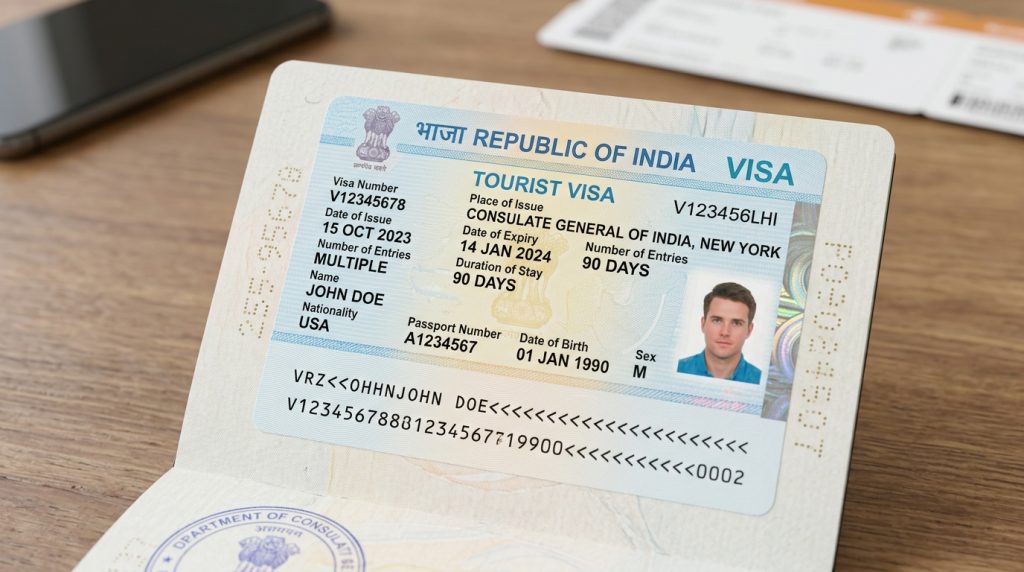
India is a land of incredible diversity, offering everything from the architectural majesty of the Taj Mahal to the bustling energy of Mumbai. As we navigate the travel landscape in 2026, the process for visiting this vibrant nation has become more digitized and efficient. Whether you are planning a short-term recreational trip or a business venture, understanding the latest immigration procedures is the key to a frictionless journey.
Understanding India’s Modernized Entry System
The Government of India has moved decisively toward a digital-first approach to manage international arrivals. A critical update for 2026 is the mandatory E-Arrival Card, which must be completed online by all foreign visitors within 72 hours of their flight. This digital form replaces traditional paper-based disembarkation slips, streamlining immigration clearance at airports.
It is a common misconception among travelers that they can simply arrive and obtain entry authorization on the spot. While some specific bilateral arrangements exist, there is no general Indian Visa on Arrival in Delhi for tourists. All international visitors—unless specifically exempt—must secure a valid visa or electronic travel authorization (e-Visa) well before they board their flight. Arriving without the proper documentation will lead to denied boarding or immediate deportation.
Specialized Guidance for Chilean Travelers
For Chilean passport holders, the journey to India is well-supported by robust diplomatic and travel frameworks. The Indian government provides a clear, electronic pathway that simplifies travel arrangements for visitors from South America. Because the e-Visa facility covers a broad spectrum of purposes—including tourism, short-term business meetings, and medical treatments—it is the preferred method for most travelers.
If you are currently preparing for your departure, seeking out an Indian Visa for Chile Citizens will provide you with the country-specific guidance you need to initiate your application. This process typically involves submitting a high-quality digital photograph, a scan of your passport’s information page, and the relevant documentation based on your purpose of travel.
Essential Tips for a Successful Application
- Passport Integrity: Ensure your passport remains valid for at least six months beyond your planned date of entry and contains at least two blank pages for official immigration stamps.
- Accuracy First: When filling out your online form, verify every piece of information against your physical passport. Minor discrepancies in name spelling or date of birth are the most frequent causes of processing delays.
- Submit Early: While e-Visas can be processed quickly, it is a professional best practice to submit your application at least four to seven days before your flight. This buffer provides you with the necessary time to address any unexpected administrative requests.
- Digital Documentation: Once your e-Visa is approved, save a digital copy on your mobile device and carry a printed copy in your carry-on luggage. Immigration officers at Indian ports of entry will require this paper proof to authorize your entry.
- Official Portals Only: Always conduct your application through the official government portal (
indianvisaonline.gov.in). Avoid third-party services that may charge unnecessary fees or provide outdated regulatory information.
By taking the time to prepare your documentation carefully, you remove the common logistical hurdles that can disrupt international travel. With your entry requirements satisfied, you are free to focus entirely on the rich experiences and cultural wonders that await you across the Indian subcontinent.
