
In today’s fast-paced environment, keeping a genuine sense of internal balance can often feel like an impossible challenge. Between demanding workloads and constant digital notifications, mental fatigue has become an expected norm. While typical self-care strategies like brief digital detoxes or short vacations offer a temporary pause, they rarely address the deep-rooted psychological habits that trigger our daily anxiety. True, unshakeable serenity requires a deeper paradigm shift in how our minds interpret the world around us.
The Foundation of Cognitive Thought Renewal
For individuals looking for a profound, systematic roadmap to emotional liberation, the profound self-study curriculum known as a course in miracles has provided a unique path of cognitive renewal for decades. Built entirely on a non-dualistic psychological philosophy, this system teaches that all human suffering stems from a single source: the ego’s false belief in separation, lack, and defense. Rather than encouraging practitioners to alter their external environments or manipulate worldly circumstances to find happiness, it directs them to examine the unconscious thought patterns that dictate their emotional reactions.
The main engine behind this internal transformation is a unique application of true forgiveness. In everyday culture, forgiving someone implies that an offensive act occurred and we are choosing to overlook it—a dynamic that subtly keeps a feeling of personal victimhood alive. In contrast, advanced mind training teaches that what we perceive as external attacks are actually reflections of our own unhealed subconscious minds. By shifting our internal vision from judgment to understanding, we dissolve the grievance completely, stripping it of its power to disrupt our peace.
Integrating Mind Training into a Busy Schedule
Though the underlying metaphysics of acim are deeply profound, the actual curriculum is intensely practical. It functions as a hands-on mental training program meant to be practiced right in the middle of a busy contemporary routine. Students are never asked to leave society, abandon their careers, or adhere to rigid lifestyle rules; instead, they are simply invited to change their minds about what they perceive.
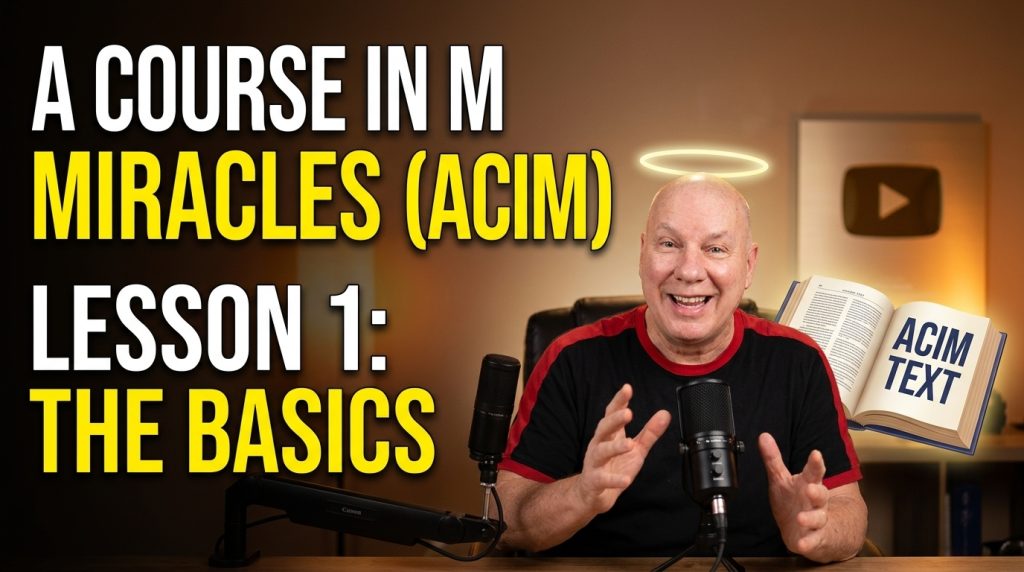
To bridge the gap between abstract principles and routine challenges, modern seekers frequently utilize digital resources such as video commentaries, global study groups, and digital ministries. These online platforms break down daily lessons into highly digestible, actionable steps. By engaging with these tools, practitioners learn how to turn ordinary life stressors—such as workplace tension, economic uncertainties, or personal disagreements—into immediate opportunities for psychological self-inquiry and profound mental healing.
Healing Interpersonal Connections from Within
The most immediate proving ground for this spiritual psychology is within our human interactions. The ego naturally views relationships as transactions, using them to extract validation, establish temporary specialness, or project hidden guilt. By applying the principles of true forgiveness, these dynamics are completely inverted.
Instead of seeing a partner, friend, or colleague as the cause of our emotional distress, we begin to recognize them as a mirror showing us our own state of mind. Every grievance becomes a gentle indicator pointing to an area within ourselves that is calling for healing. This continuous shift in awareness gradually collapses the heavy illusion of isolation, paving the way for authentic, judgment-free communion with the world.
