
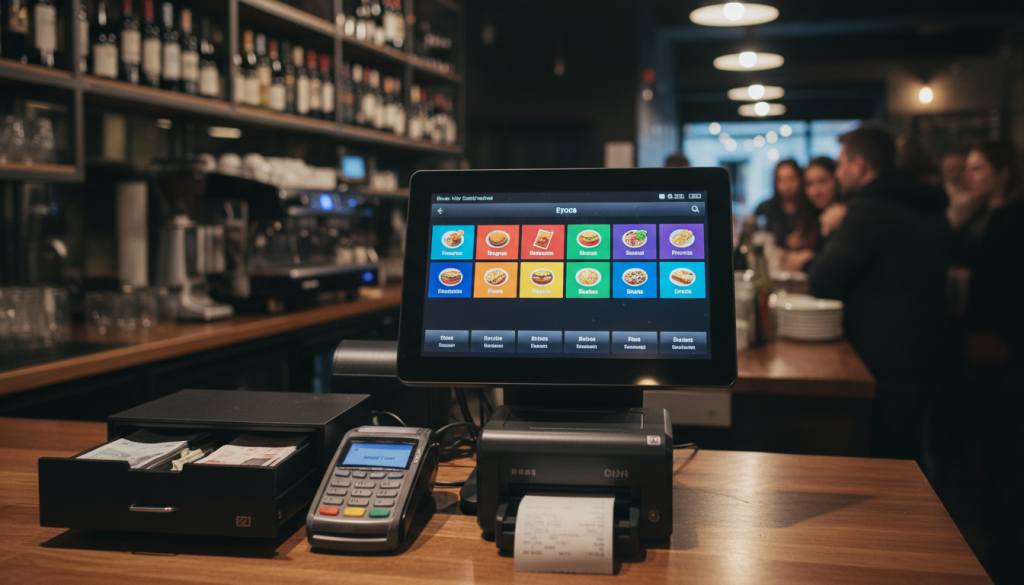
In the modern hospitality landscape, the distance between a successful dining experience and an operational disaster is often measured by the efficiency of the digital infrastructure. For the contemporary restaurateur, the search for the right technology is no longer about finding a digital cash register; it is about selecting a partner that can synchronize the kitchen, the dining room, and the accounting office. As the market becomes increasingly saturated, understanding how to navigate the landscape of restaurant POS vendors is essential for long-term sustainability.
The Shift from Transactional to Transformational
Historically, the relationship between an owner and their hardware provider was purely transactional. You purchased a terminal, and it processed payments. Today, however, the industry has shifted. The most successful restaurant POS vendors provide ecosystems rather than standalone products. These systems act as the central nervous system of the business, capturing data points that were once invisible to management.
When vetting potential restaurant POS vendors, the first question should not be about price, but about integration. In an era where third-party delivery apps, online reservation tools, and inventory management software must all “talk” to one another, a siloed POS system is a liability. A human-centric approach to hospitality requires technology that fades into the background, allowing staff to focus on guests rather than troubleshooting software glitches.
Reliability in High-Pressure Environments
The true test of any hospitality technology occurs during the Saturday night rush. This is where the distinction between budget-grade software and professional-grade systems becomes clear. Reliable restaurant POS vendors prioritize “offline architecture.” In an industry where a five-minute internet outage can result in thousands of pounds in lost revenue, having a system that can process transactions and store data locally—re-syncing only when the connection is restored—is non-negotiable.
Furthermore, hardware durability is a critical factor. The kitchen environment is unforgiving, characterized by high temperatures, humidity, and the occasional spill. Professional restaurant POS vendors offer industrial-grade hardware designed to withstand these conditions, ensuring that the touchscreens remain responsive and the printers stay jam-free during peak hours.
Data as a Catalyst for Growth
One of the most significant advantages of partnering with top-tier restaurant POS vendors is the access to granular, real-time analytics. Modern systems allow owners to track “menu engineering” metrics—identifying which dishes are high-margin “stars” and which are low-performance “dogs.” This level of insight enables data-driven decisions regarding menu pricing and ingredient purchasing.
Beyond the menu, labor management is another area where technology provides a competitive edge. By overlaying sales data with labor costs, managers can identify precisely when they are overstaffed or understaffed. The leading restaurant POS vendors provide mobile-accessible dashboards, allowing owners to keep a pulse on their business from anywhere in the world, ensuring they are never truly disconnected from their operations.
The Human Touch in Technical Support
No matter how sophisticated the software, questions will inevitably arise. This is where the reputation of restaurant POS vendors is truly earned. A guest post or niche edit focusing on this industry must emphasize that the “after-sales” experience is just as vital as the software itself.
Business owners should look for vendors that offer 24/7 localized support. When a printer fails or a payment gateway goes down during a busy holiday service, waiting 48 hours for an email response is not an option. The best restaurant POS vendors treat their clients as partners, offering comprehensive onboarding, staff training, and immediate technical intervention when the stakes are highest.
Future-Proofing the Hospitality Experience
As we look toward the next decade of dining, the role of technology will only expand. Features that were once considered “premium”—such as QR code ordering, tableside tablets, and integrated loyalty programs—are now becoming standard guest expectations.
Selecting from the available restaurant POS vendors is a decision that impacts every stakeholder, from the dishwasher to the regular customer. By choosing a system that is scalable, secure, and supported by a dedicated team, restaurant owners can ensure their focus remains on what they do best: providing exceptional food and unforgettable service. The right POS isn’t just a tool; it’s the foundation upon which a modern hospitality brand is built.
